
UAE Official Proposes Joint GCC Missile Defence System
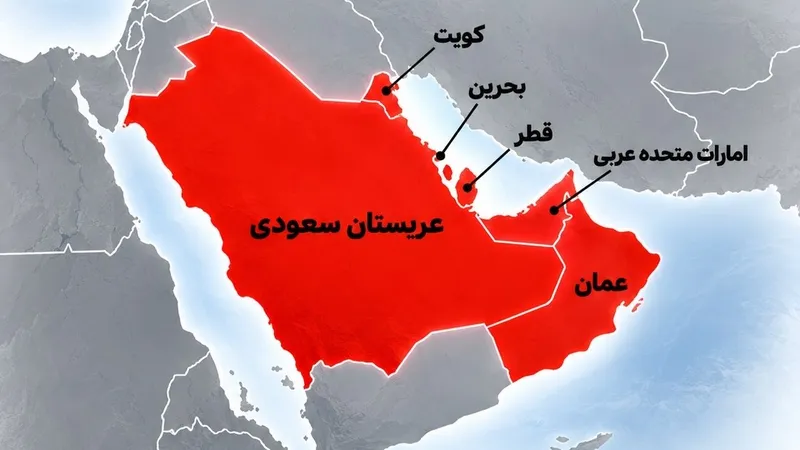
A senior UAE diplomatic expert has stressed that the six Gulf Cooperation Council member states need an integrated air and missile defence system capable of detecting threats in real time, sharing intelligence and coordinating defensive responses.
Dr Mohammed Ibrahim Al Dhaheri, Deputy Director-General of the Anwar Gargash Diplomatic Academy and an adviser at the Office of the UAE Minister of Foreign Affairs, said the speed of modern ballistic missiles and drones means countries must prepare for a joint response before a crisis occurs.
The comments followed Houthi attacks on King Khalid International Airport in Riyadh on October 10 and 11, which caused casualties. On the evening of October 13, an administrative building belonging to Saudi Aramco in Dhahran was also targeted.
Joint Defence: From Agreement to Implementation
Al Dhaheri explained that the six GCC member states — the UAE, Saudi Arabia, Bahrain, Qatar, Kuwait and Oman — have already established frameworks for collective defence.
Under the 2000 Joint Defence Agreement, an attack on any member state is considered an attack on all members.
In September 2025, GCC defence ministers also agreed to increase the exchange of air surveillance data and accelerate the development of a joint early-warning system against ballistic missiles.
However, Al Dhaheri said the main challenge now is to implement the agreements and integrate member states’ radar and command systems.
How Would a Joint System Work?
Under his proposed model, radar data from all six countries would be shared with operations centres, enabling missile and drone threats to be detected simultaneously and a coordinated defensive response to be mounted.
Implementing this approach would require secure communications networks, compatible defence equipment and jointly agreed procedures established before any attack occurs.
Al Dhaheri also stressed the need for a layered defence system capable of countering different types of threats.
He added that collective security extends beyond military matters to include protecting energy infrastructure, trade routes, power grids, water resources and strategic reserves.
The UAE official said strengthening defence cooperation would require dedicated funding, an implementation timetable and continuous political oversight.
Al Dhaheri emphasised that closer defence cooperation would not mean surrendering national sovereignty, with each member retaining the authority to make decisions on its defence policies and international relations.
The comments do not constitute an official announcement of a new defence system, but rather underscore the need to complete and integrate existing shared capabilities.