
Israeli Election Vote Count Completed: Netanyahu Bloc Wins 53 Seats, Opposition 48, Arab Parties 19
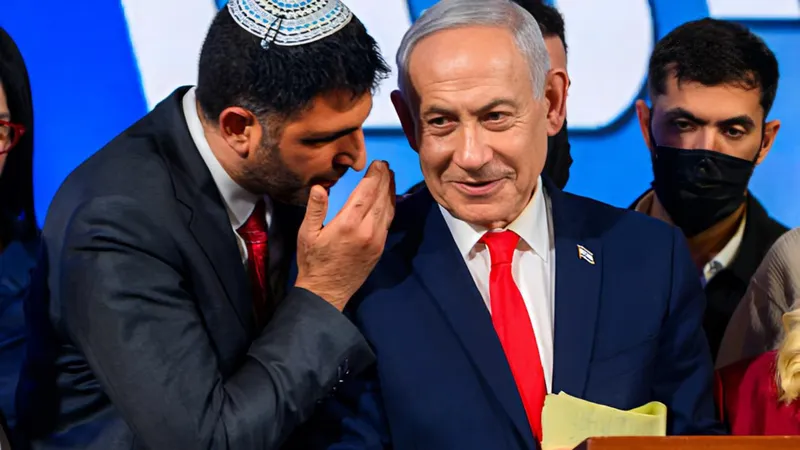
Israel’s Central Elections Committee announced on Thursday, October 29, that the counting of special ballots in the country’s parliamentary election had been completed. With about 99.5% of all votes counted, the latest results give Prime Minister Benjamin Netanyahu’s bloc 53 seats, opposition parties led by Gadi Eisenkot 48 seats and Arab parties a combined 19 seats in the 120-member parliament. Neither of the two main blocs has secured the 61-seat majority needed to form a government.
Israel’s Channel 12 and the Hebrew-language news outlet Ynet reported that the counting of ballots submitted in special envelopes, including votes cast by military personnel, diplomats, prisoners and hospital patients, had been completed, while the final results were still being recorded and reviewed. The Elections Committee said results had so far been registered from 12,644 ballot boxes and counting units, covering 5,589,836 votes. Of these, 5,564,764 were valid and 25,072 were invalid.
Under the latest seat distribution, Netanyahu’s Likud remains the largest party in the Knesset with 27 seats, followed by Eisenkot’s Yashar party with 21. Naftali Bennett’s Together party is projected to win 12 seats, the Joint List of Arab parties 11, and the Arab party Ra’am and the Democrats eight each. Yisrael Beiteinu, Otzma Yehudit and United Torah Judaism are each projected to secure seven seats. The religious Shas party has fallen to six seats after losing one.
The combined 19 seats won by the two Arab lists represent the highest level of Arab party representation in the history of Israel’s parliament. However, although Netanyahu’s main opponents and the Arab parties hold a combined 67 seats, no agreement has been announced on forming a joint government.
In a new development in political negotiations, Channel 12 and Ynet reported that officials from United Torah Judaism, a religious party allied with Netanyahu, had proposed supporting a minority government led by Gadi Eisenkot. The proposal’s main condition is the passage of legislation exempting Jewish religious seminary students from military service. However, the talks remain at a preliminary stage and no agreement has been reached.
Meanwhile, Israeli President Isaac Herzog is expected to begin consultations with political parties after receiving the official election results to determine who should be tasked with forming a government.
The Central Elections Committee stressed that the current results remain provisional despite the completion of the main counting process. Final official results will be released on Wednesday, November 4, after all reviews and election integrity checks have been completed.