
Iron Deficiency May Cause Symptoms Before Anaemia, UAE Doctors Stress Ferritin Testing
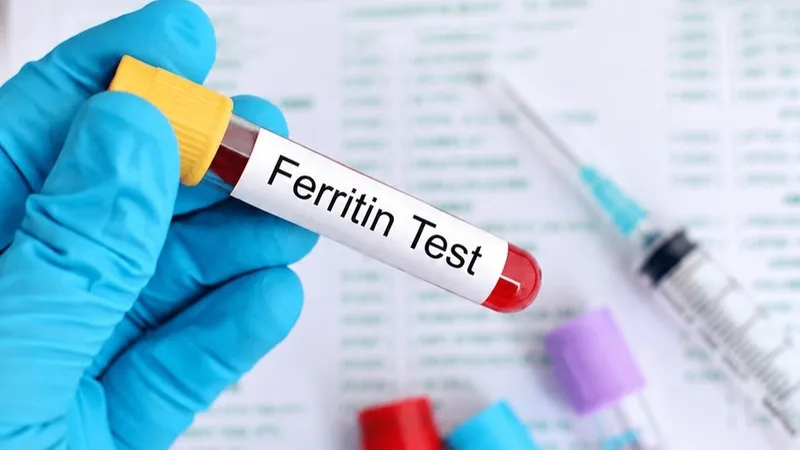
New clinical guidelines from the American Society of Hematology (ASH) have updated the criteria for diagnosing iron deficiency, placing greater emphasis on ferritin, the protein that stores iron in the body. Doctors in the UAE say some people may experience symptoms linked to depleted iron stores before haemoglobin levels fall and anaemia develops.
Under the guidelines published on September 16, 2026, a ferritin level of 30 nanograms per millilitre or lower is recommended as the diagnostic threshold for iron deficiency in adults, including pregnant and menstruating individuals. For some high-risk groups, including those with heavy menstrual bleeding and pregnant women with anaemia, the threshold may be as high as 50 nanograms per millilitre.
Testing is interpreted differently in adults with inflammation, including some people with cancer, inflammatory bowel disease or infections, because inflammation can raise ferritin levels. In such cases, ASH recommends assessing ferritin alongside transferrin saturation. Ferritin below 100 nanograms per millilitre or transferrin saturation below 20 per cent may support a diagnosis.
Dr Malaz Yabroudi, an internal medicine specialist in Sharjah, said fatigue, low energy, difficulty concentrating, headaches, dizziness, unusual sensitivity to cold and reduced exercise tolerance may be associated with depleted iron stores. Increased hair loss and nail changes may also occur in some people, but these symptoms are not specific to iron deficiency and can have other causes.
Doctors stress that ferritin results should not be interpreted in isolation and must be assessed alongside symptoms, haemoglobin levels, other blood tests and the patient’s medical condition. Low iron levels may result from inadequate nutrition, increased bodily needs, pregnancy, heavy menstrual bleeding, absorption problems or other sources of blood loss.
Experts also warn against taking iron supplements without medical advice, as not everyone needs them and unnecessary use can cause side effects or excessive iron accumulation. The new ASH thresholds are diagnostic criteria, not target levels that everyone should take supplements to achieve.