
UAE Bans Use of Certain Antibiotic
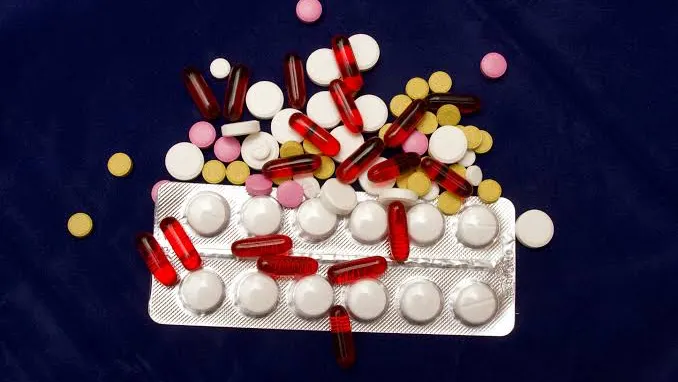
The UAE has announced that the use of the antibiotic ciprofloxacin in animals will be banned from November 1, 2026. The decision aims to preserve the drug’s effectiveness in treating bacterial infections in humans.
The Emirates Drug Establishment (EDE) said the measure is part of efforts to combat antimicrobial resistance, a phenomenon in which microorganisms, including bacteria, become resistant to antimicrobial drugs, reducing the effectiveness of treatment.
Ciprofloxacin is considered a critically important antibiotic in human medicine and is used to treat certain bacterial infections. According to the EDE, its improper use in animals could increase bacterial resistance and reduce its effectiveness in treating humans.
The ban covers veterinary medicines and raw materials containing ciprofloxacin. It applies to nine products, including eight imported products and one registered in the UAE.
Under the decision, companies must stop manufacturing, importing and supplying the affected products and withdraw all existing stock from the market before the regulations take effect. Any remaining stock must be re-exported or destroyed in accordance with approved procedures.
The decision follows a scientific review of antimicrobial resistance data, including studies submitted by United Arab Emirates University.
Dr Ruqayya Aqeel Al Bastaki, Acting Executive Director of the Medical Products Regulation Sector at the EDE, stressed that scientific evidence plays a key role in determining when regulatory intervention is necessary.
The EDE also said it is developing a monitoring programme to assess companies’ compliance with the ban.